Maximizing Space With Suspended Ducting: A Comprehensive Guide
When it comes to optimizing space in a building, one often overlooked solution is suspended ducting. This ingenious method of HVAC installation not only saves space but also offers various other benefits. In this article, we will delve into the world of suspended ducting and explore its advantages and applications.
suspended ducting refers to the practice of hanging HVAC ductwork from the ceiling or another overhead structure instead of installing it on the floor or walls. By doing so, valuable floor space is saved, allowing for a more efficient use of the building’s square footage. This is particularly beneficial in tight spaces or areas with limited floor space, such as commercial buildings, industrial facilities, and even residential properties.
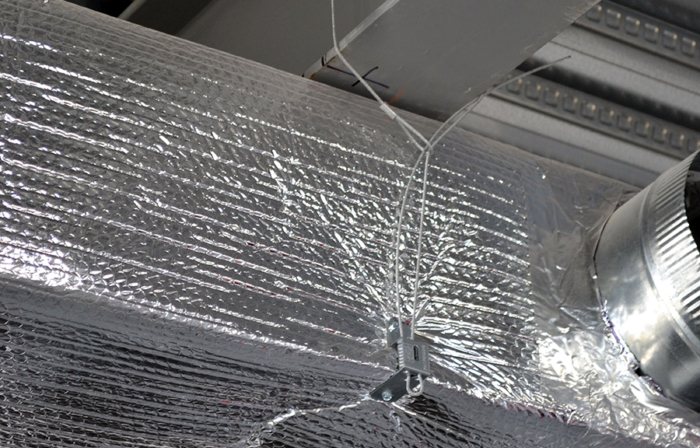
One of the primary advantages of suspended ducting is its ability to improve air circulation and HVAC system efficiency. By elevating the ductwork, air can flow freely without any obstructions from furniture, walls, or other obstacles on the floor. This results in a more even distribution of air and temperature throughout the space, creating a more comfortable and consistent environment for occupants.
Another benefit of suspended ducting is its ease of maintenance and accessibility. When ductwork is mounted overhead, it is much easier for technicians to access and service the system. This not only saves time and costs associated with maintenance but also reduces disruptions to building occupants. In addition, suspended ducting allows for easier adjustments and modifications to the system as needed, making it a flexible and adaptable solution for changing HVAC requirements.
Furthermore, suspended ducting can also contribute to better indoor air quality. By hanging the ductwork overhead, dust, debris, and other contaminants are less likely to settle inside the ducts, leading to cleaner air circulating throughout the building. This is especially important in environments where air quality is a top priority, such as healthcare facilities, laboratories, and office buildings with sensitive occupants.
The applications of suspended ducting are diverse and versatile, making it a practical solution for a wide range of building types and spaces. In commercial settings, such as offices, retail stores, and restaurants, suspended ducting can help maximize floor space for merchandise displays, seating areas, and other functional purposes. In industrial facilities, such as warehouses, manufacturing plants, and distribution centers, suspended ducting can improve air circulation and ventilation, creating a safer and more productive work environment.
Moreover, suspended ducting can also be used in residential properties to optimize space and improve indoor comfort. In homes with limited ceiling height or open-concept layouts, hanging HVAC ductwork can free up valuable space for furniture, décor, and other living essentials. This can also be beneficial in multi-story homes where traditional ductwork may be difficult to install or access.
In conclusion, suspended ducting offers a multitude of benefits for building owners, occupants, and HVAC systems. By utilizing this innovative method of HVAC installation, space can be maximized, air circulation can be improved, maintenance can be simplified, and indoor air quality can be enhanced. Whether in commercial, industrial, or residential settings, suspended ducting is a practical and efficient solution for optimizing space and creating a more comfortable environment. So next time you are looking to upgrade your HVAC system or renovate your building, consider the advantages of suspended ducting and elevate your space to new heights.